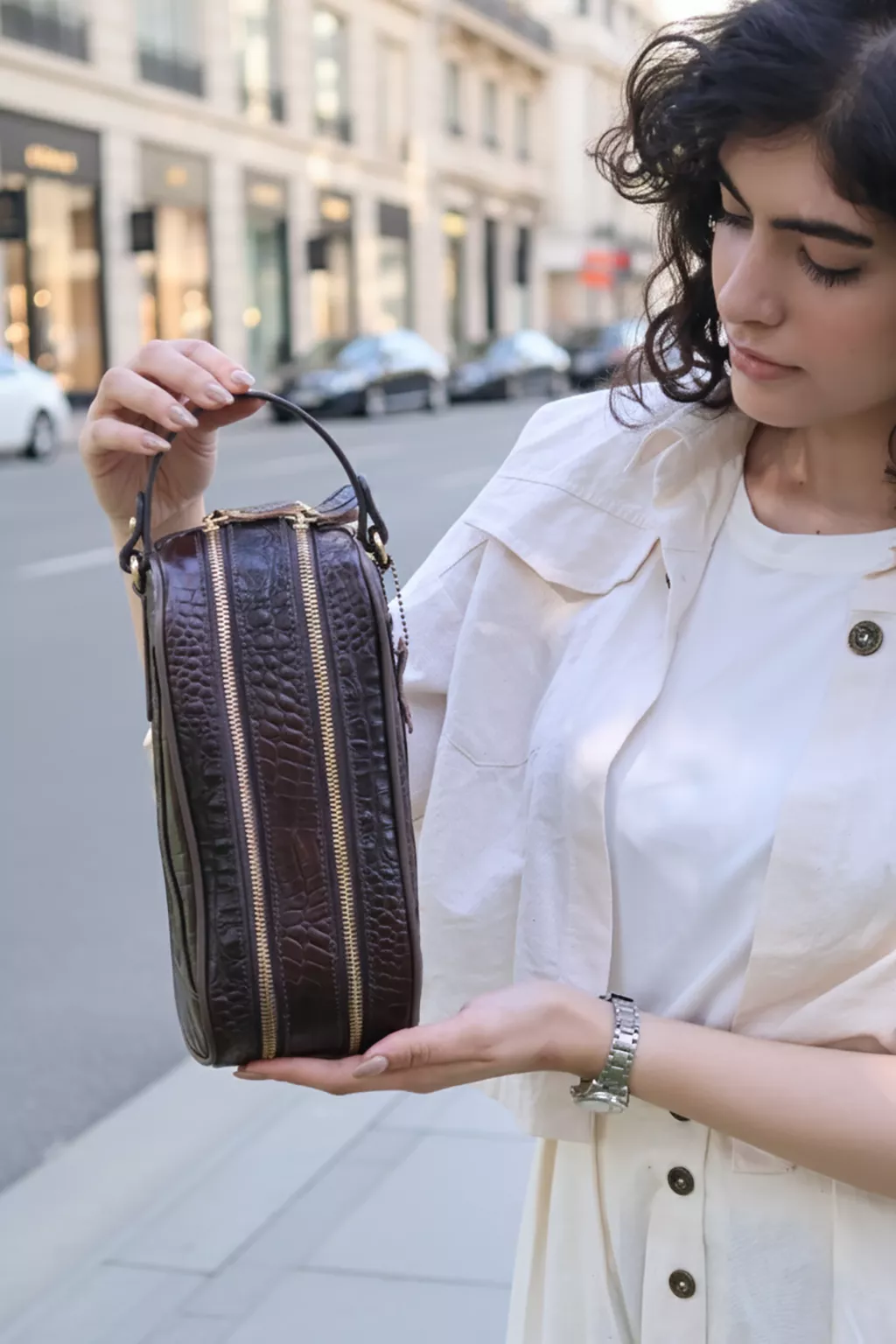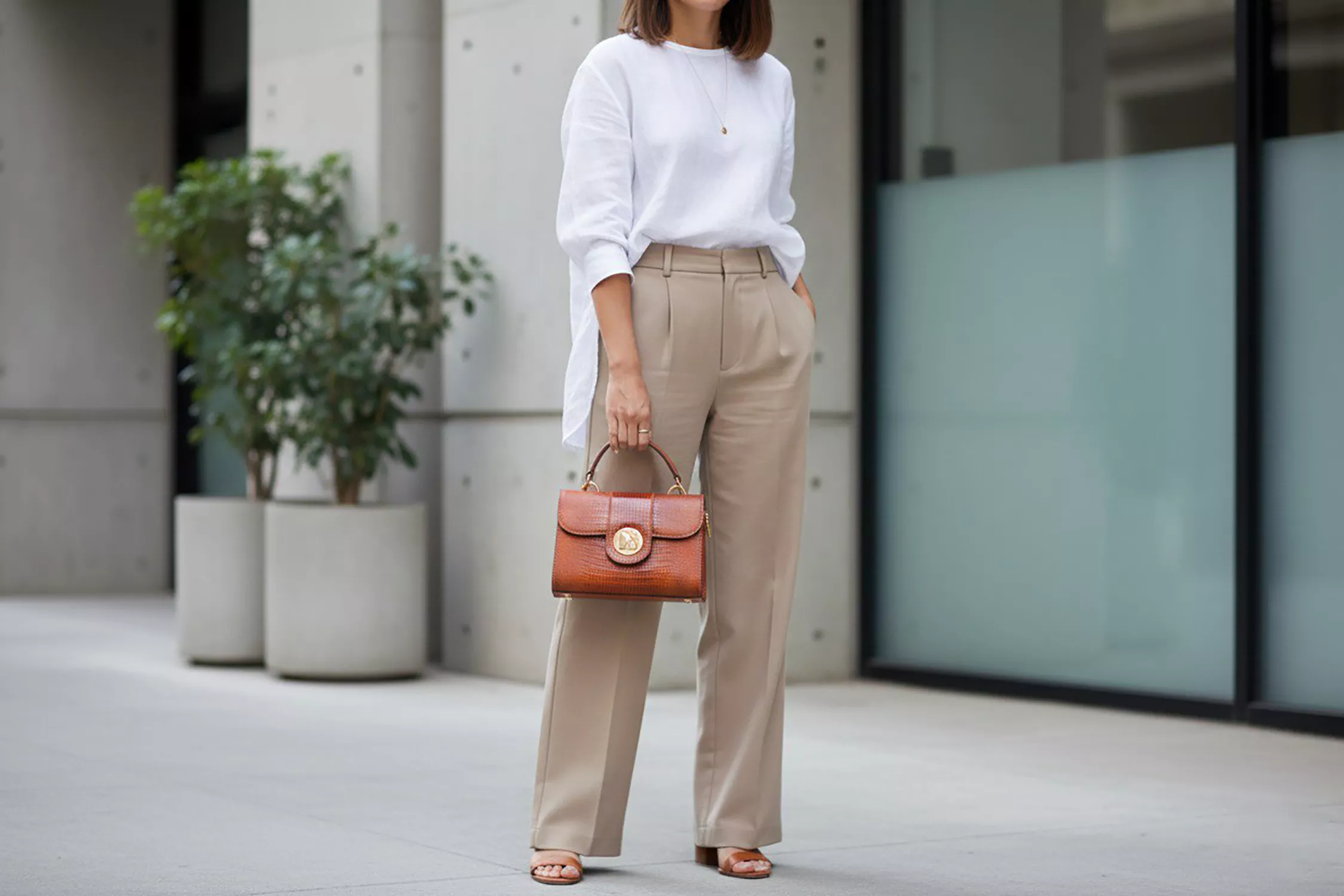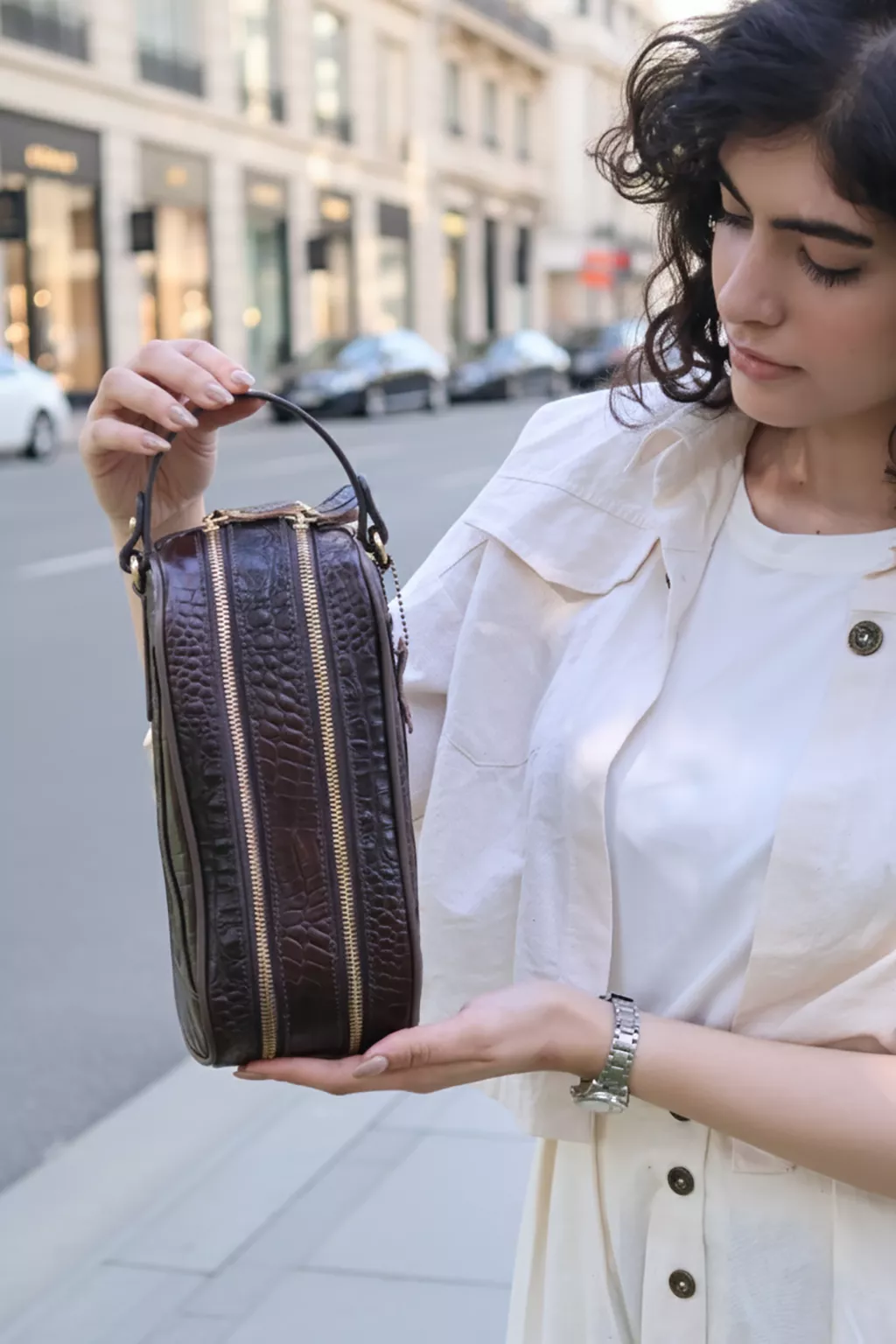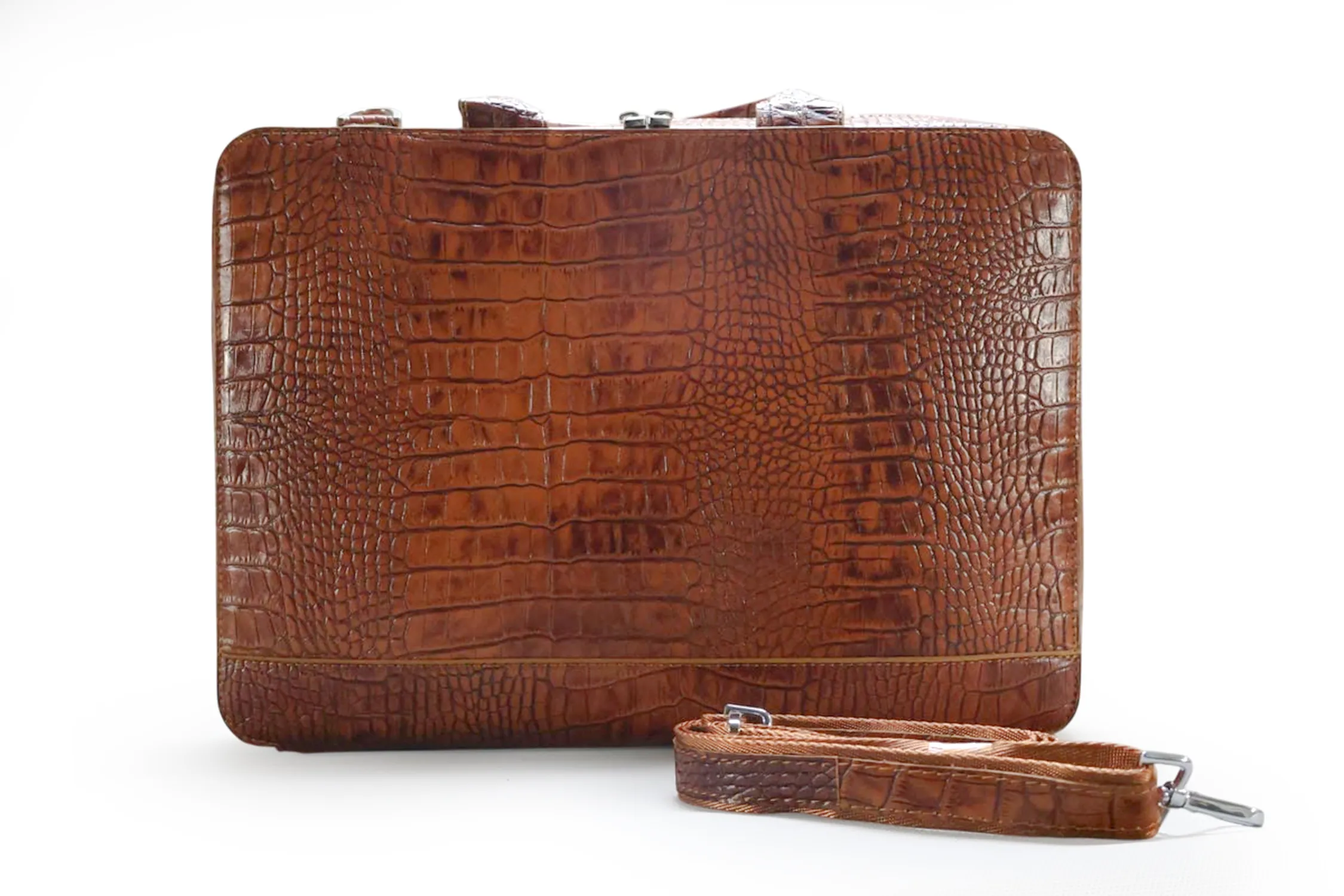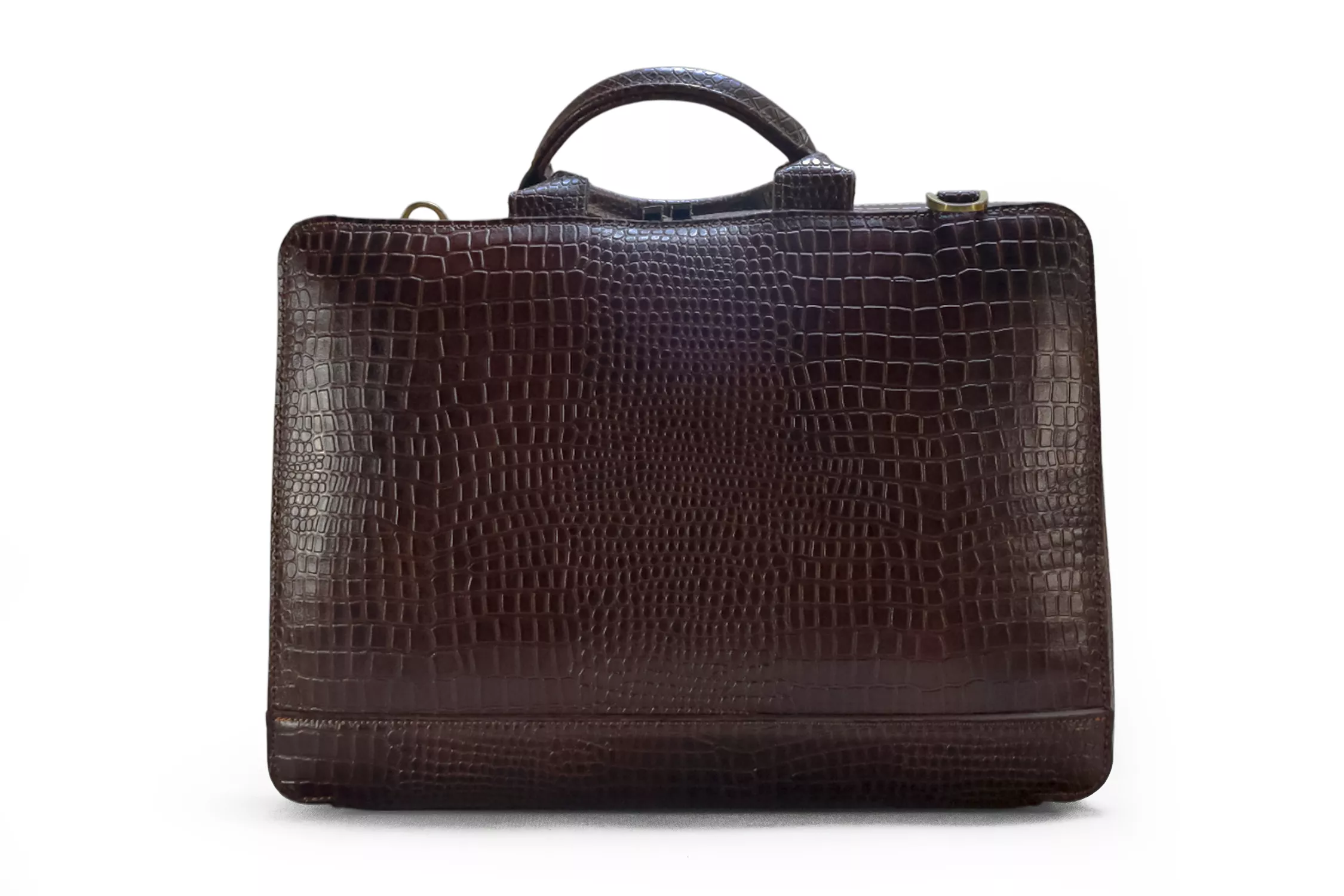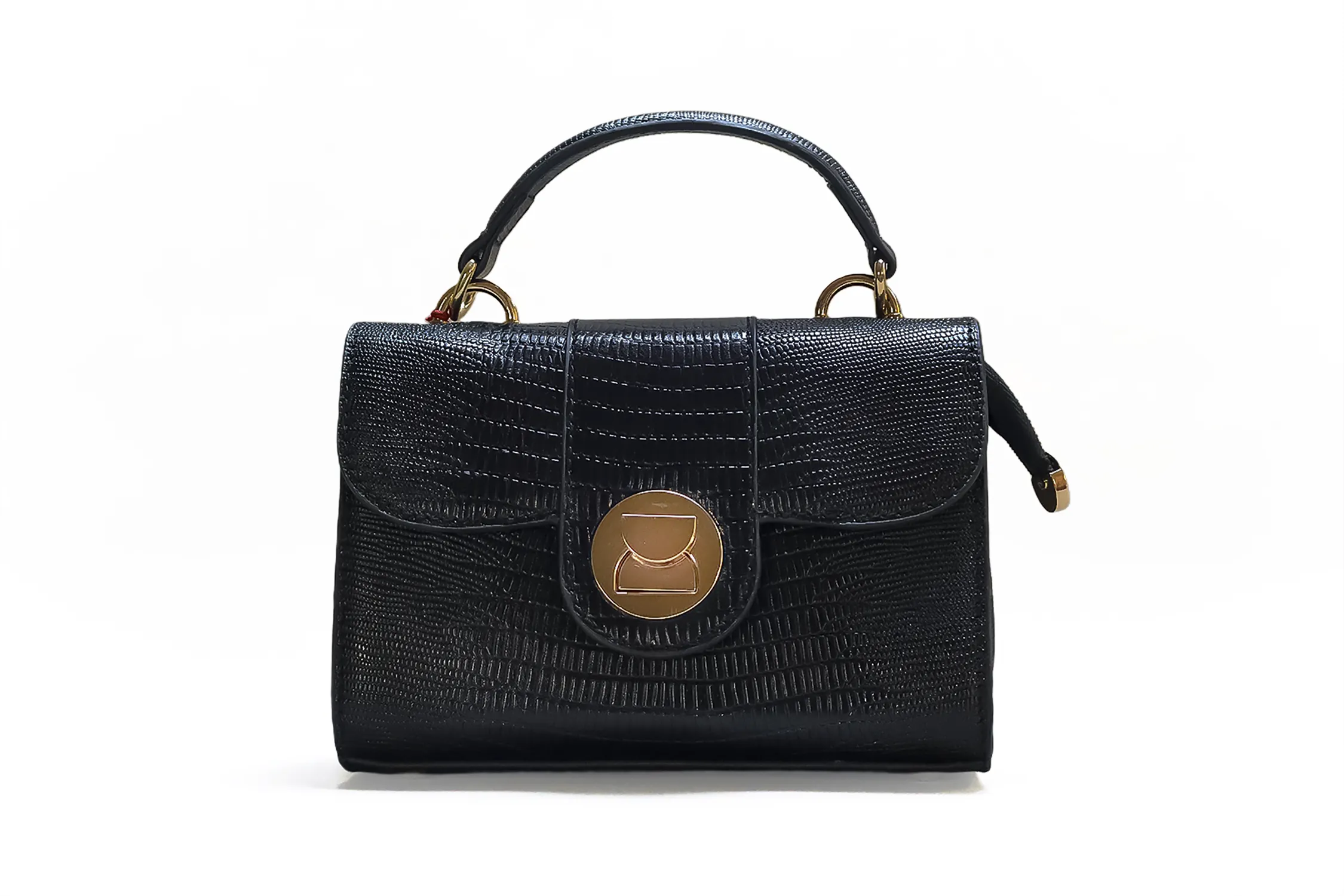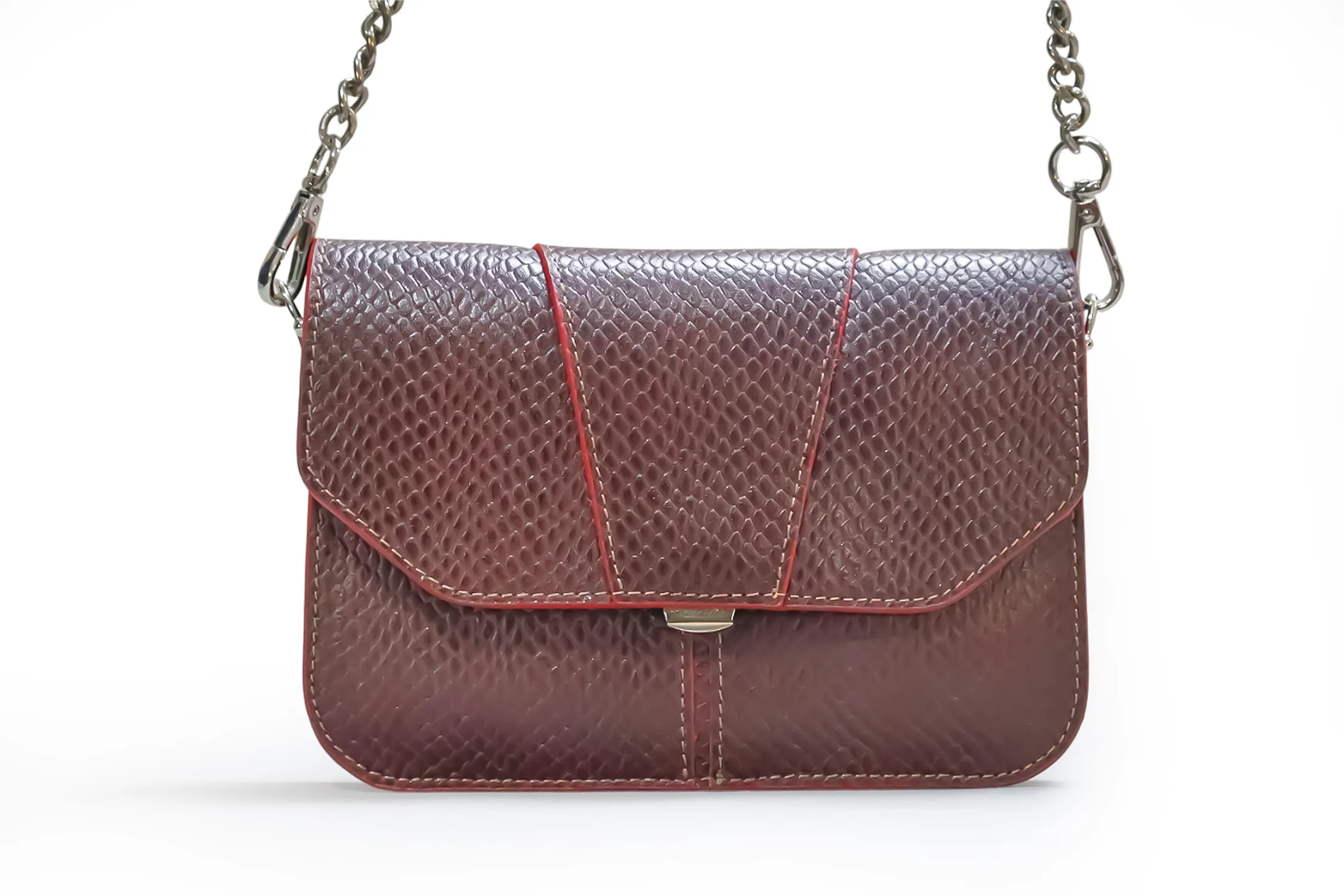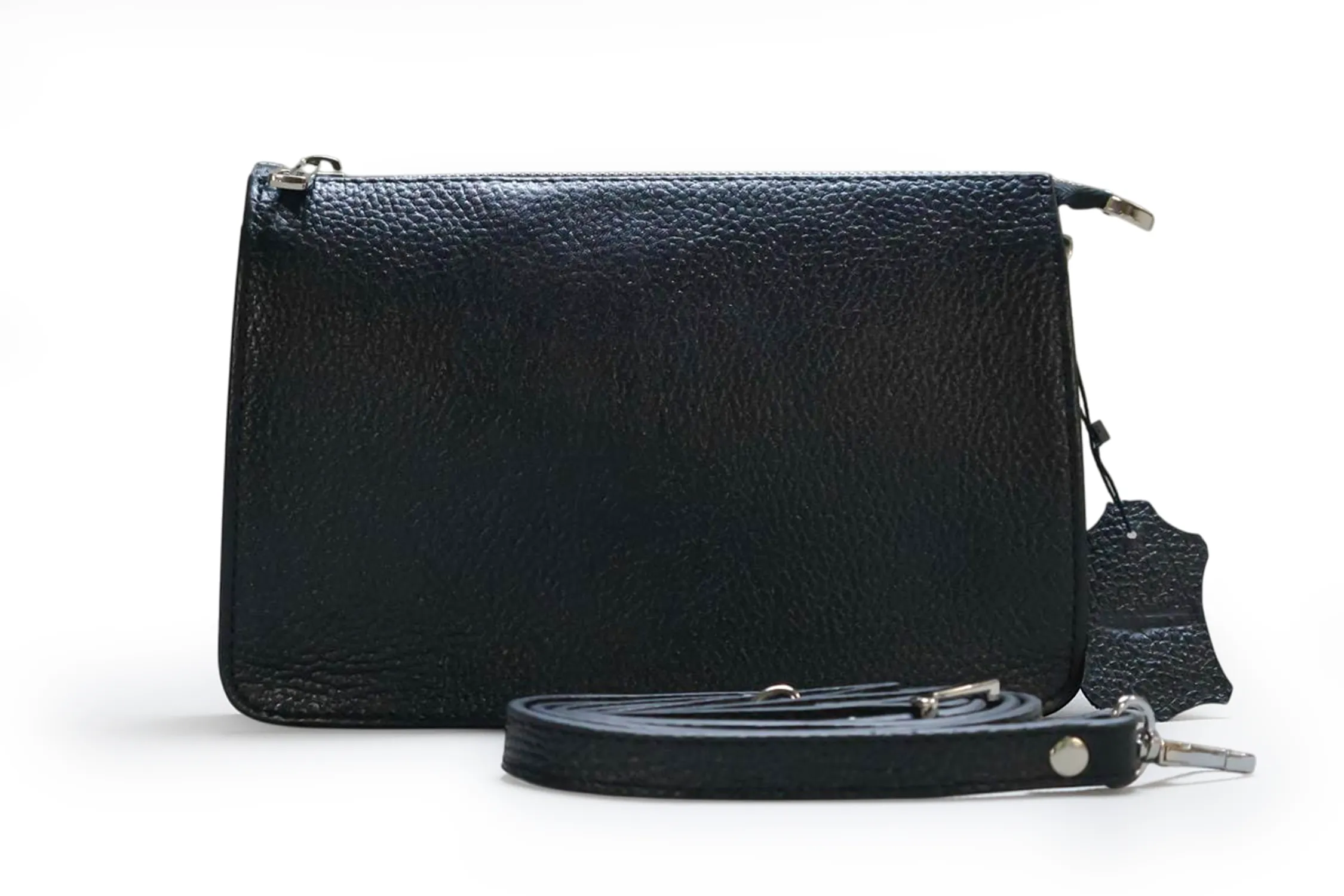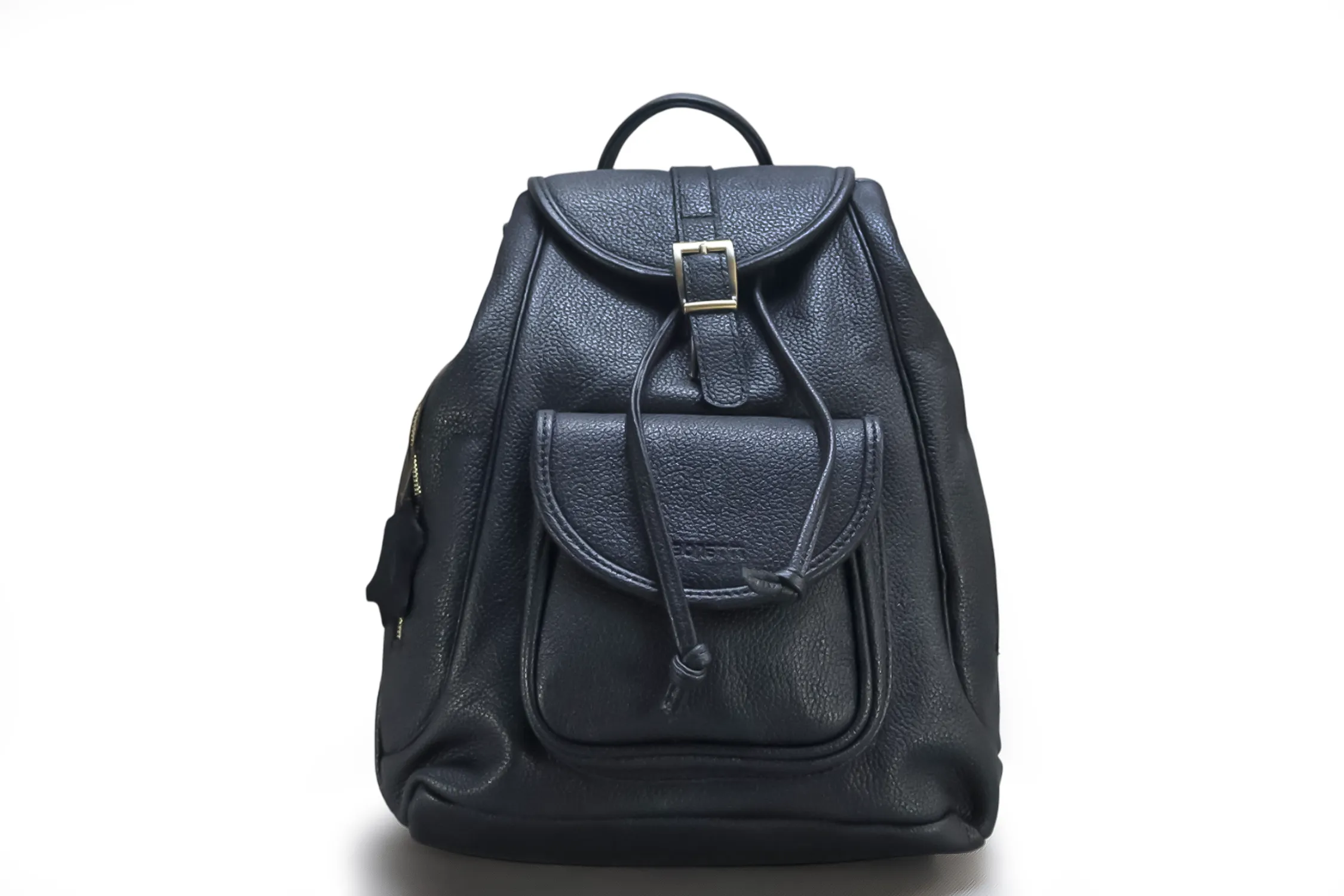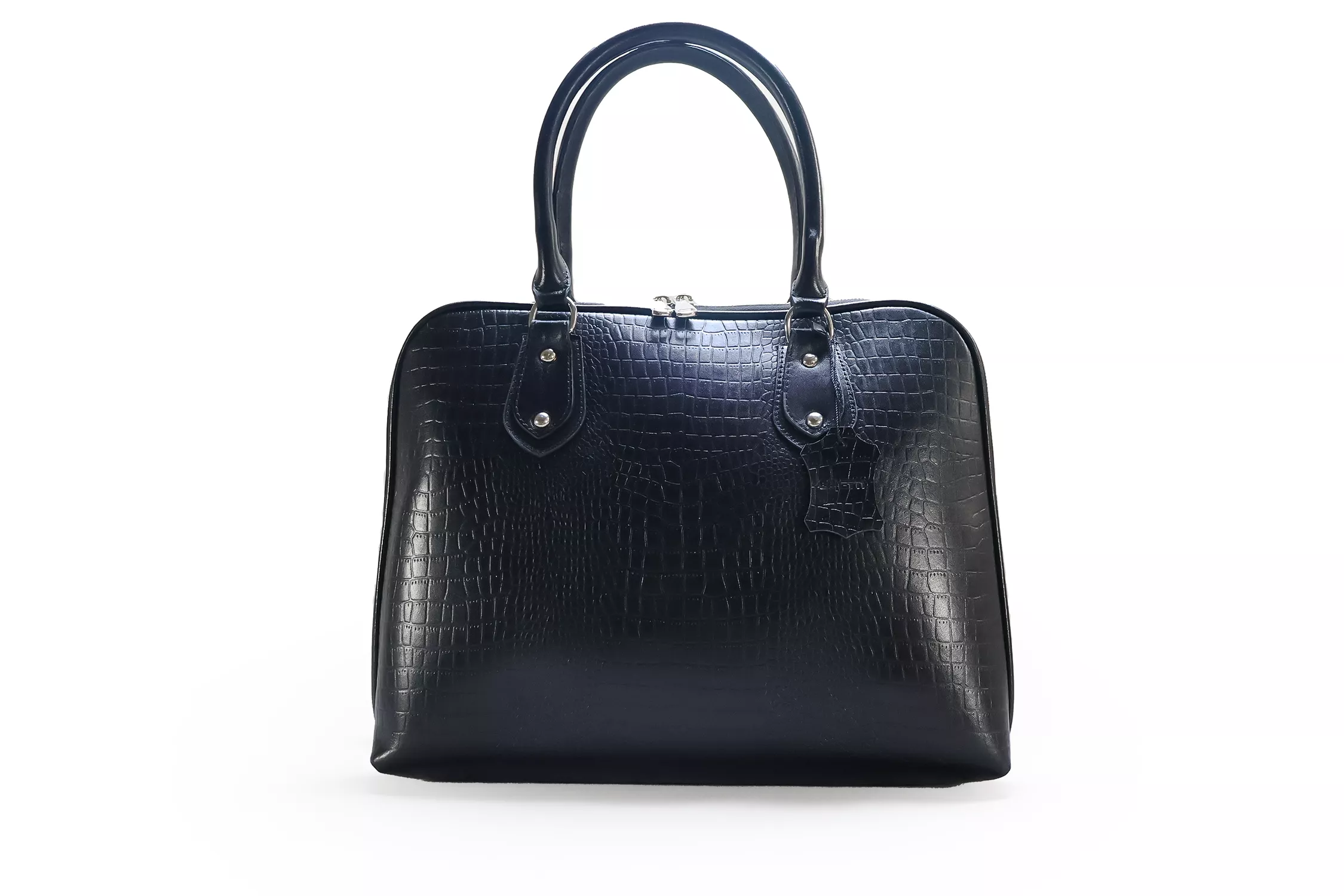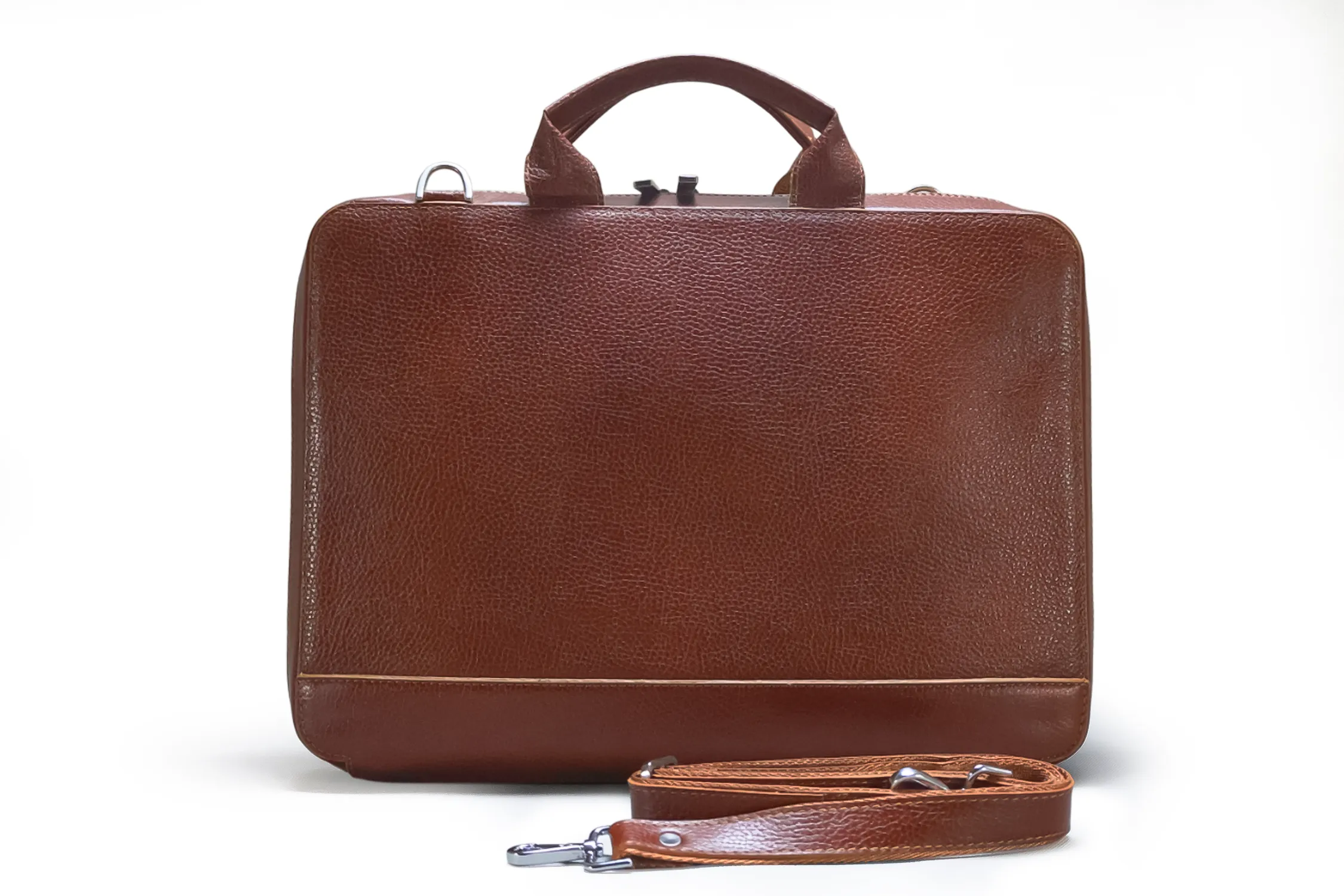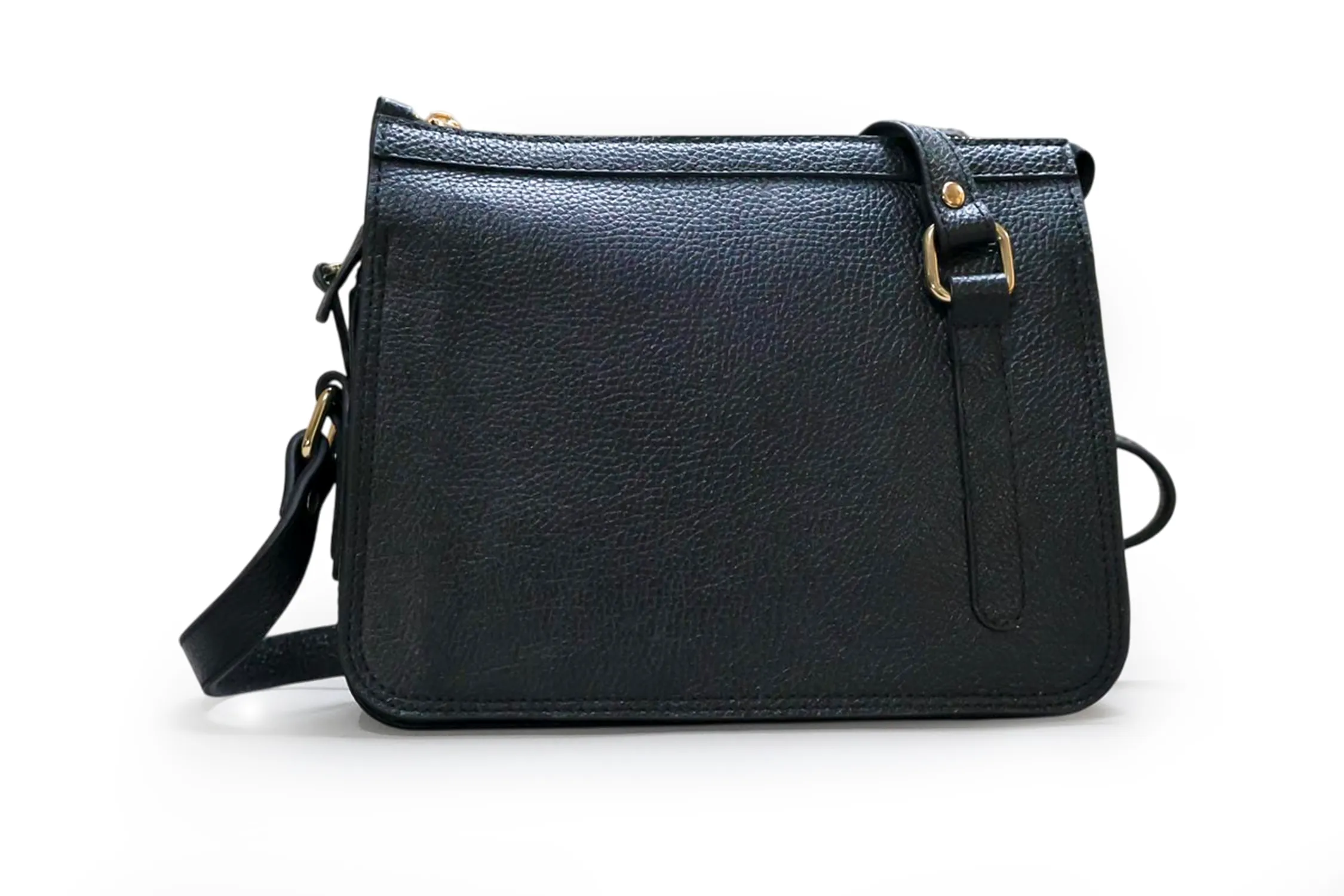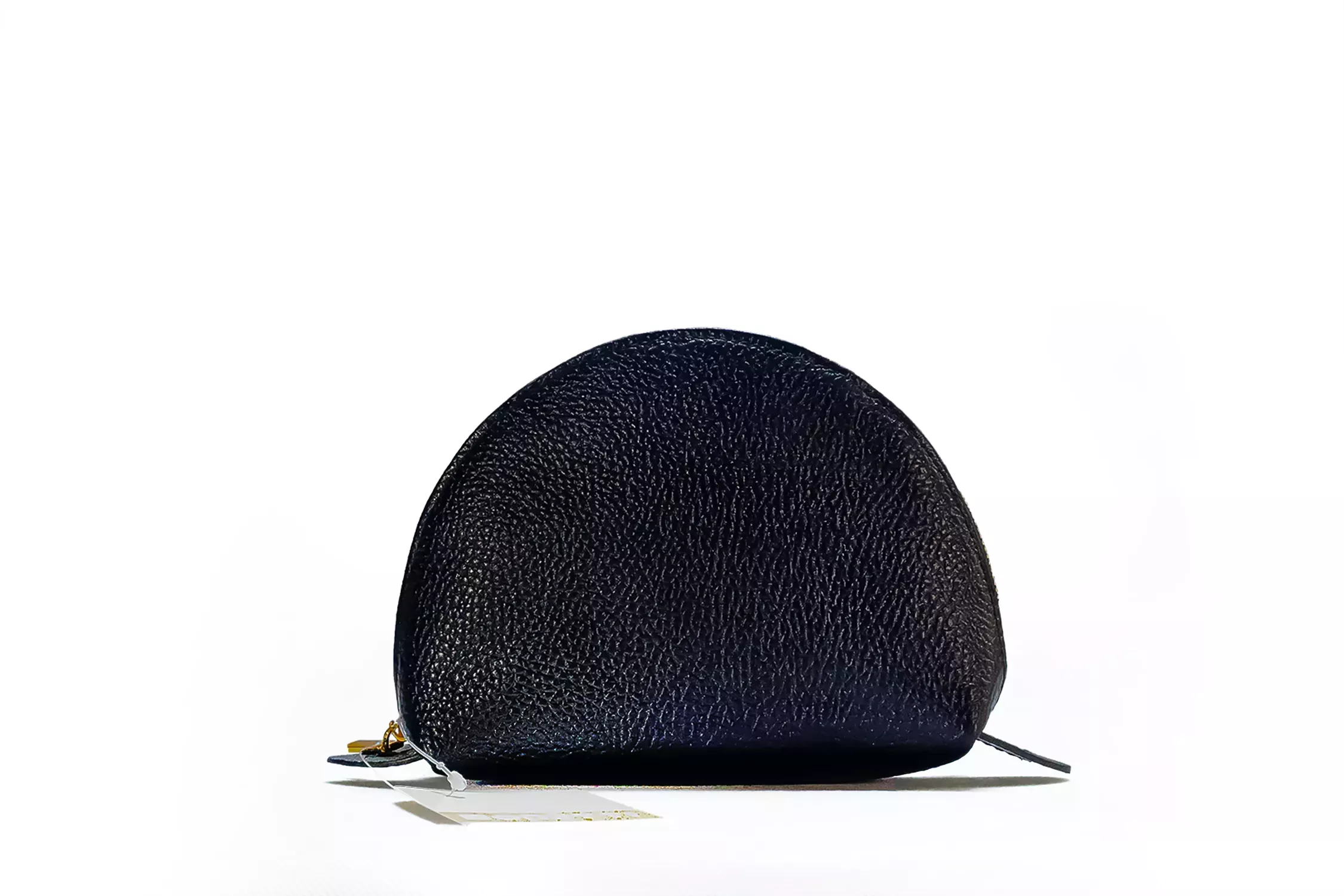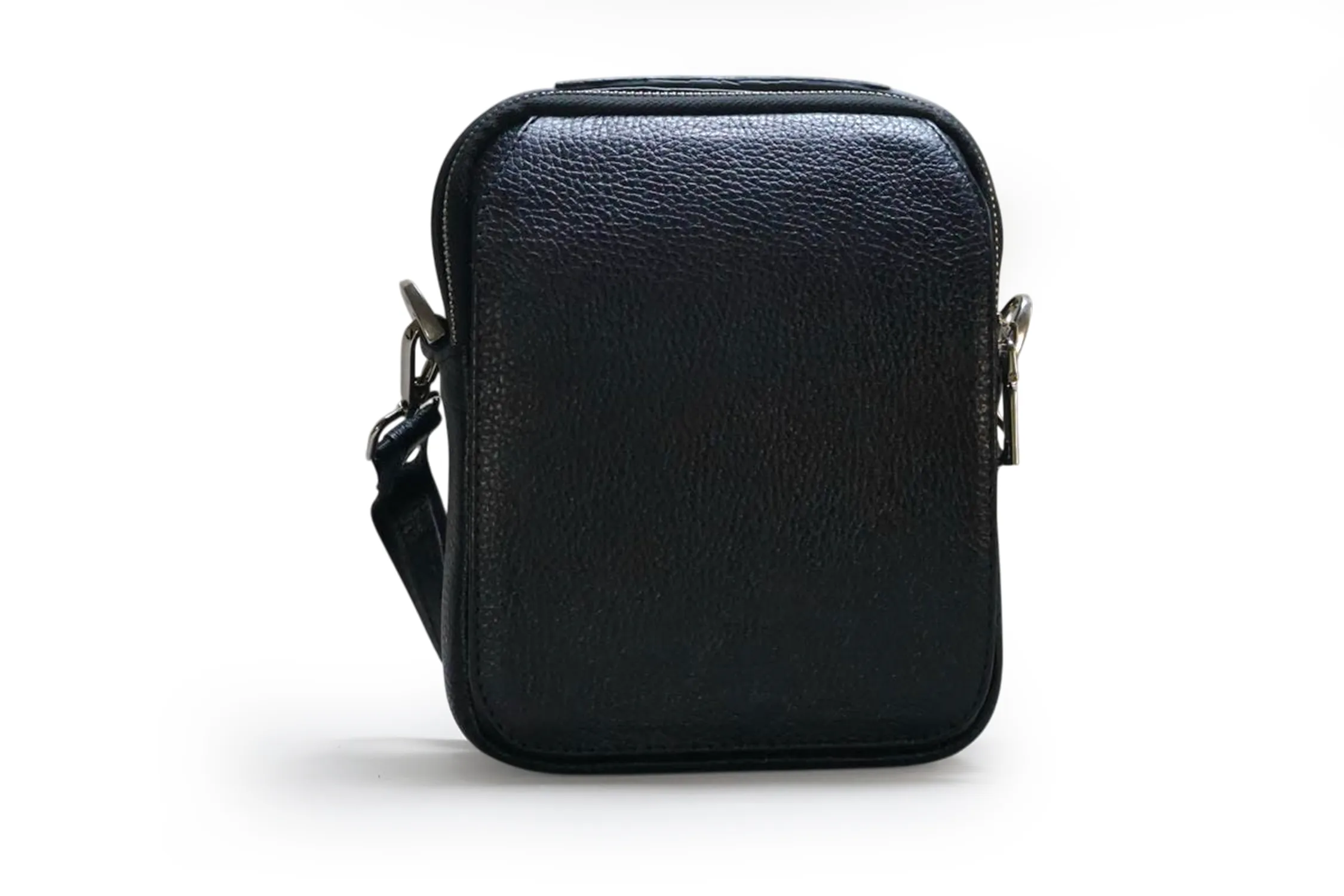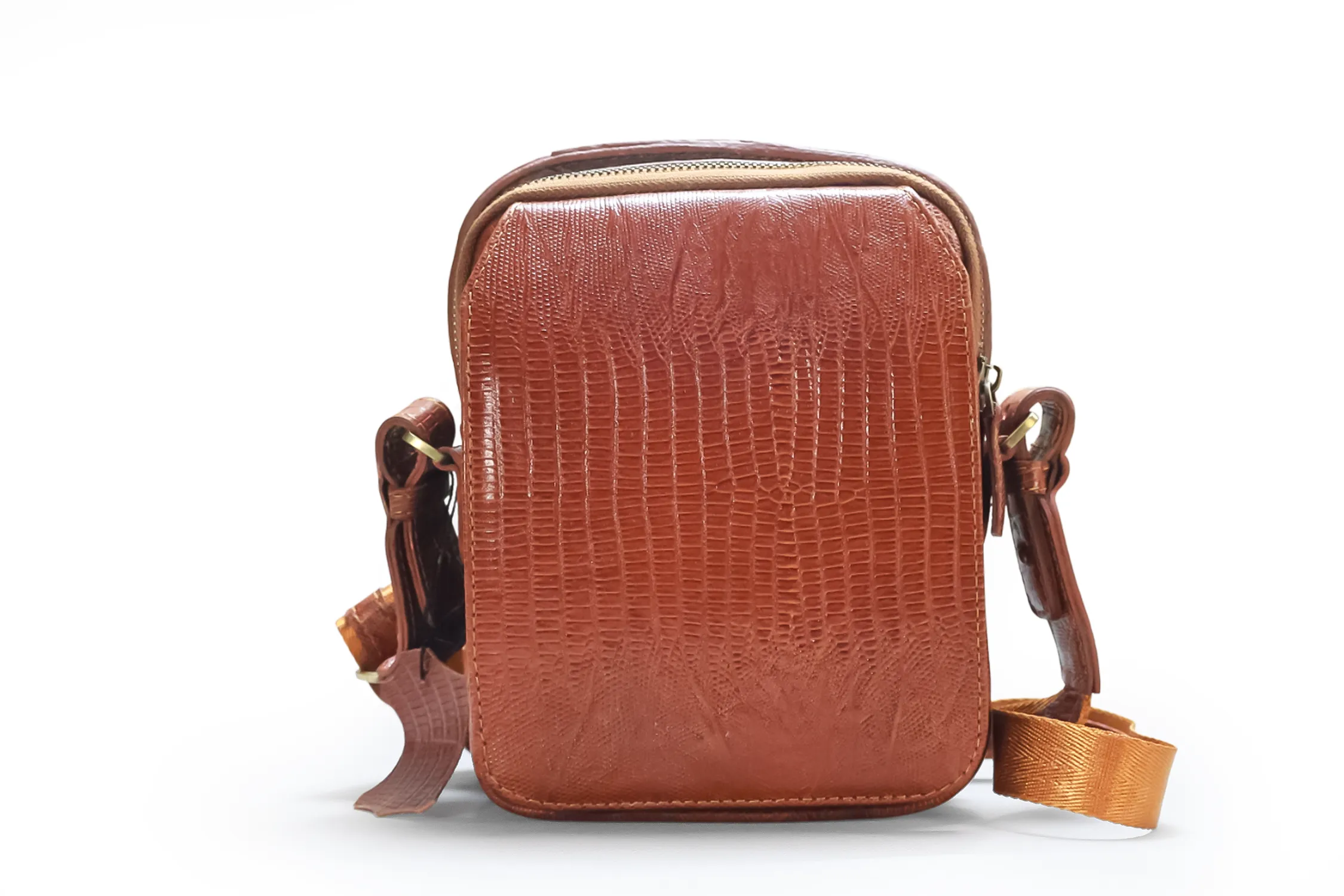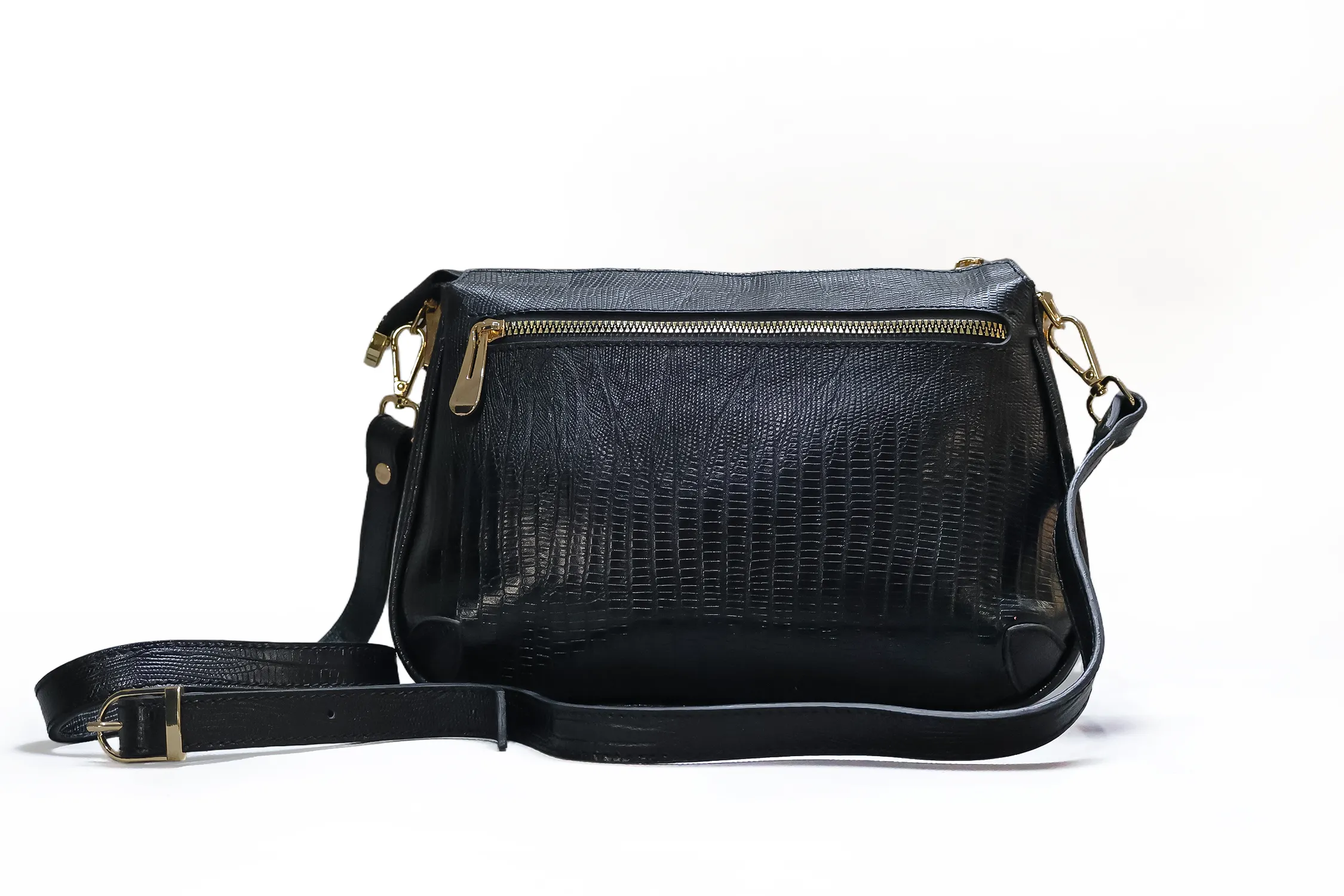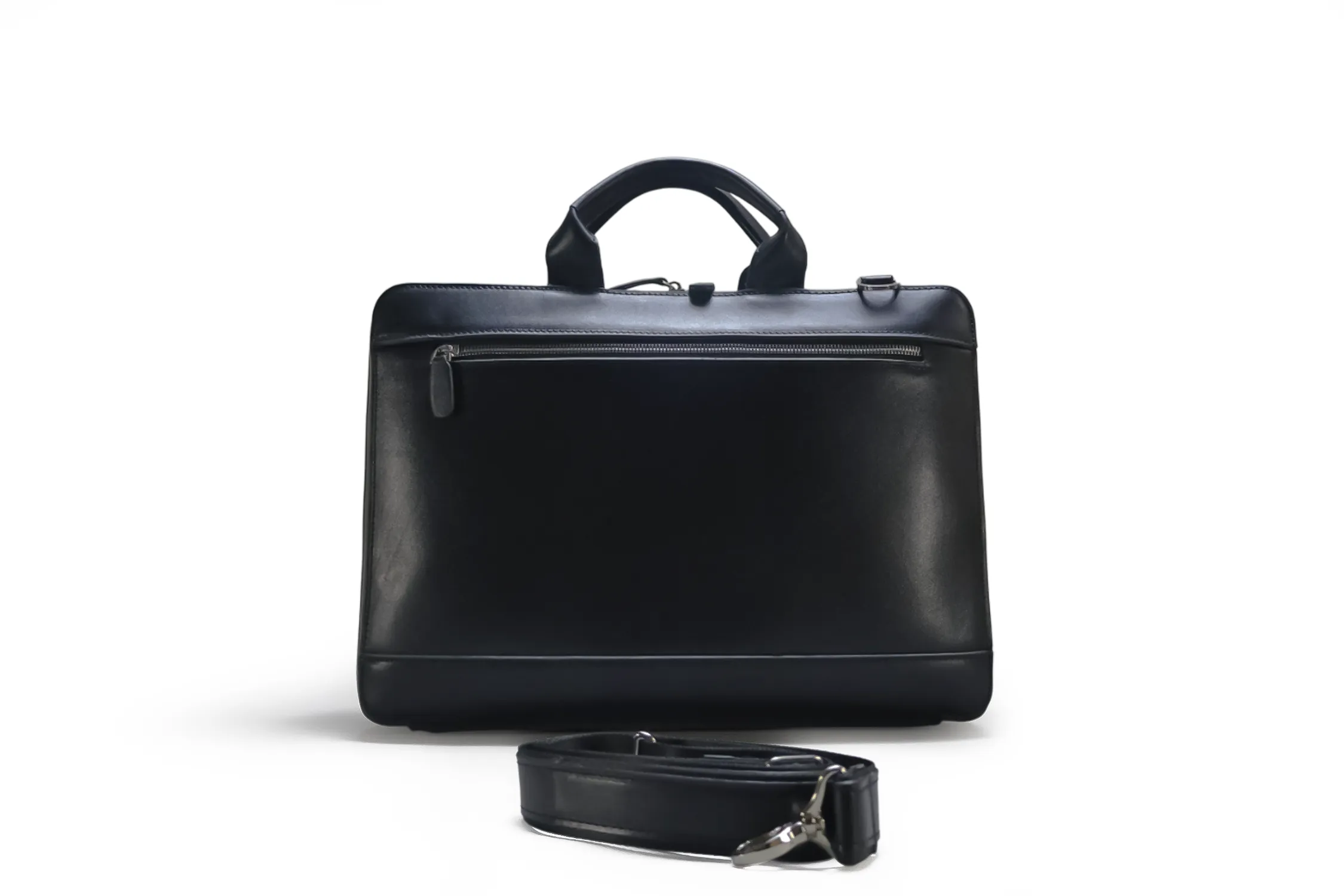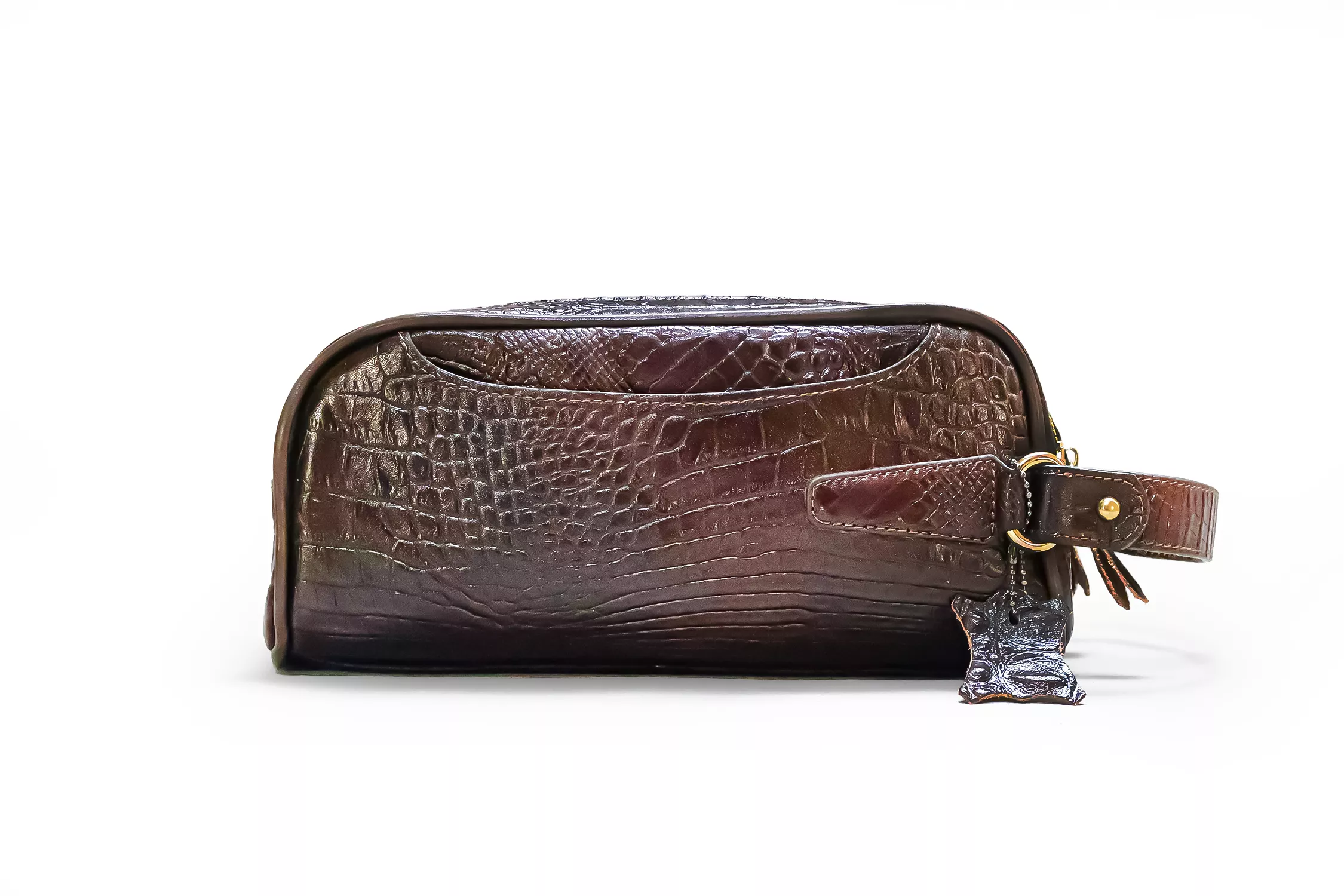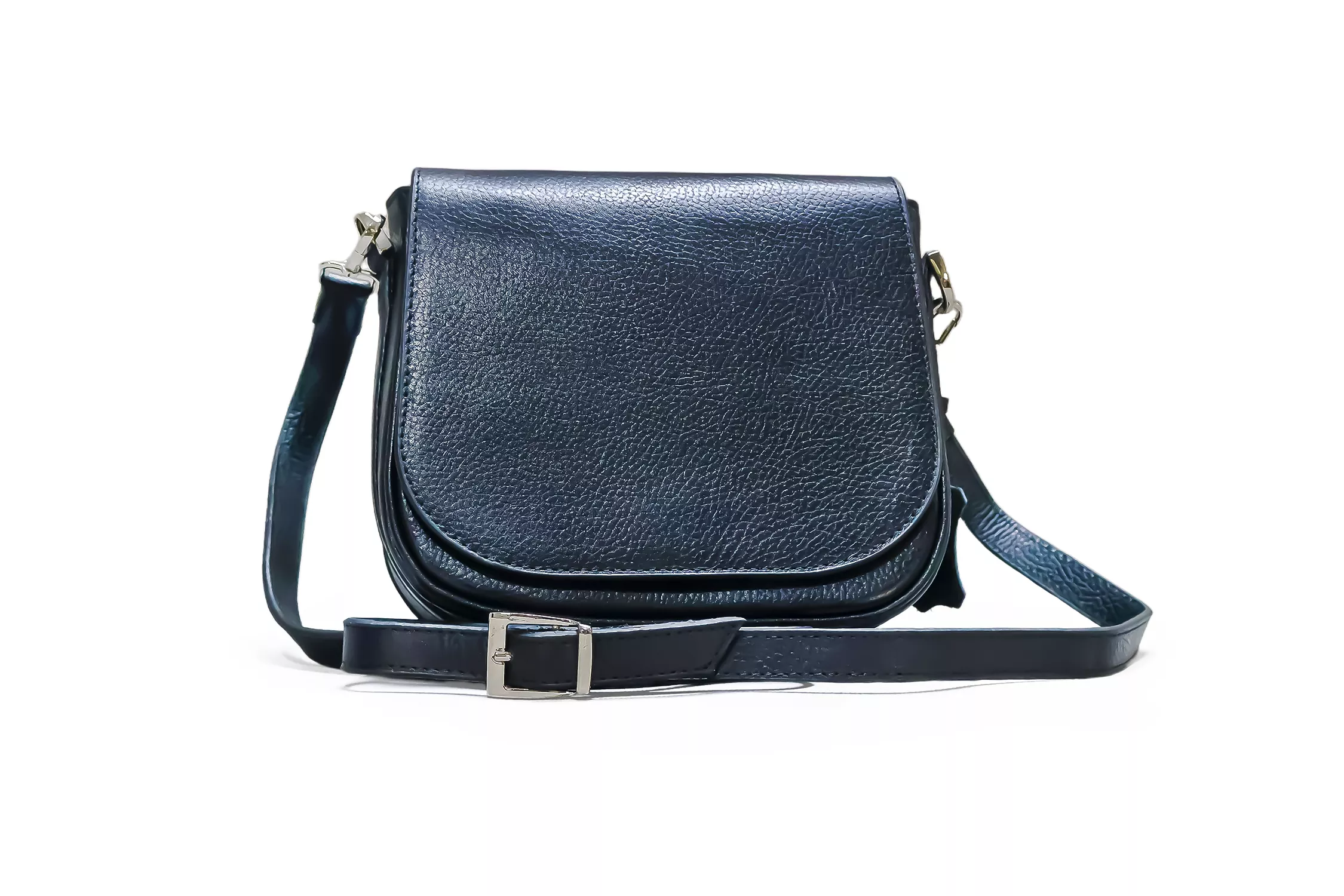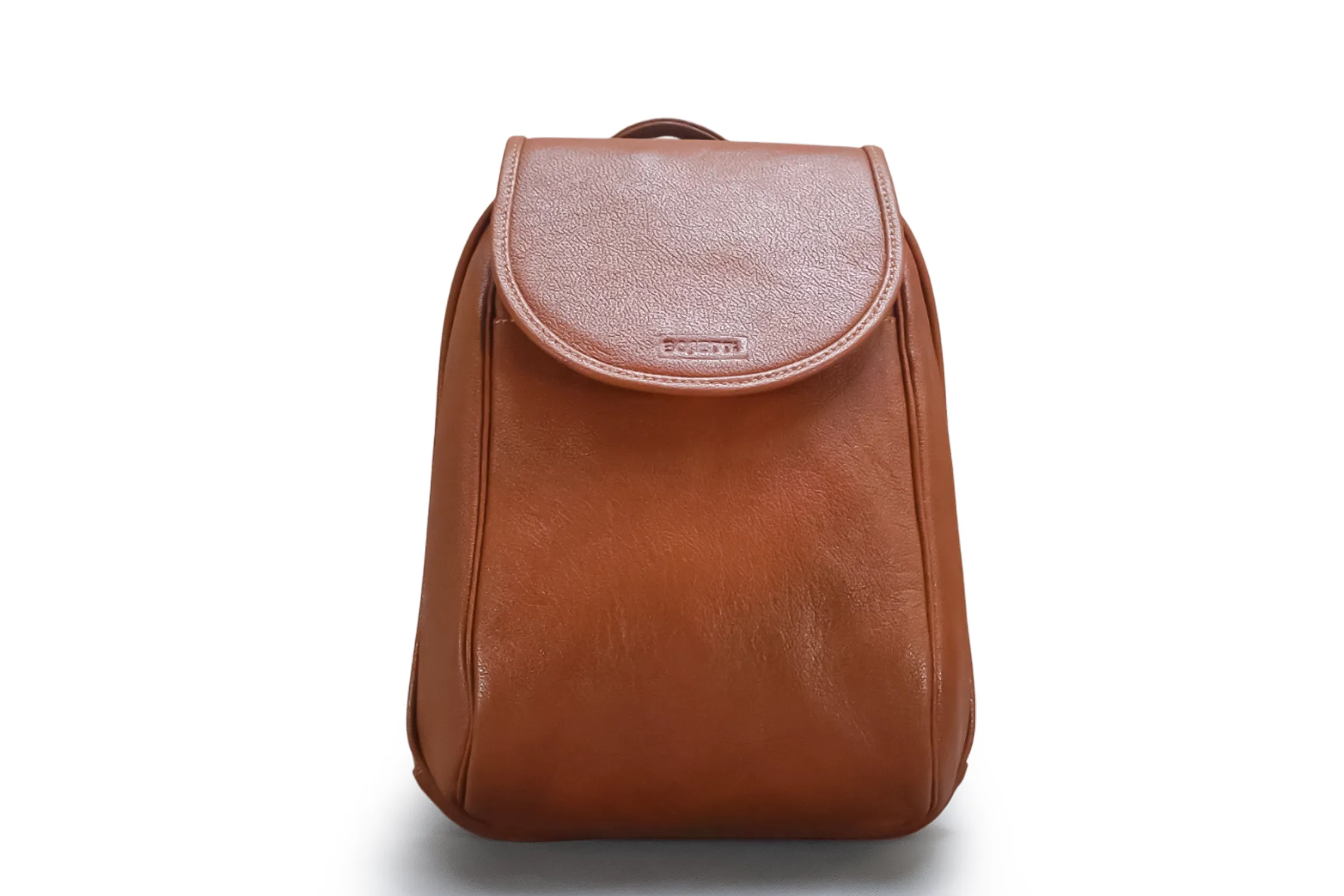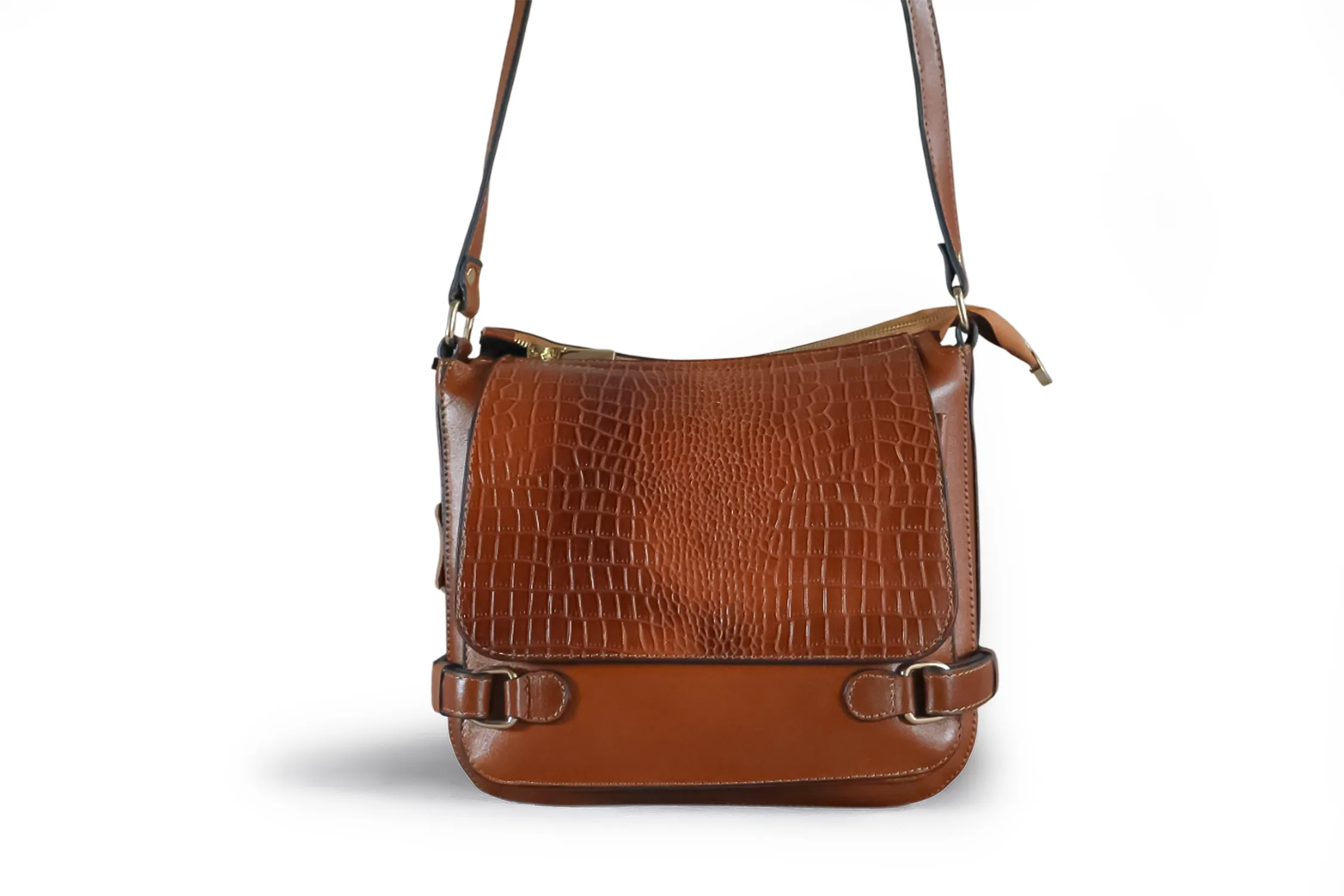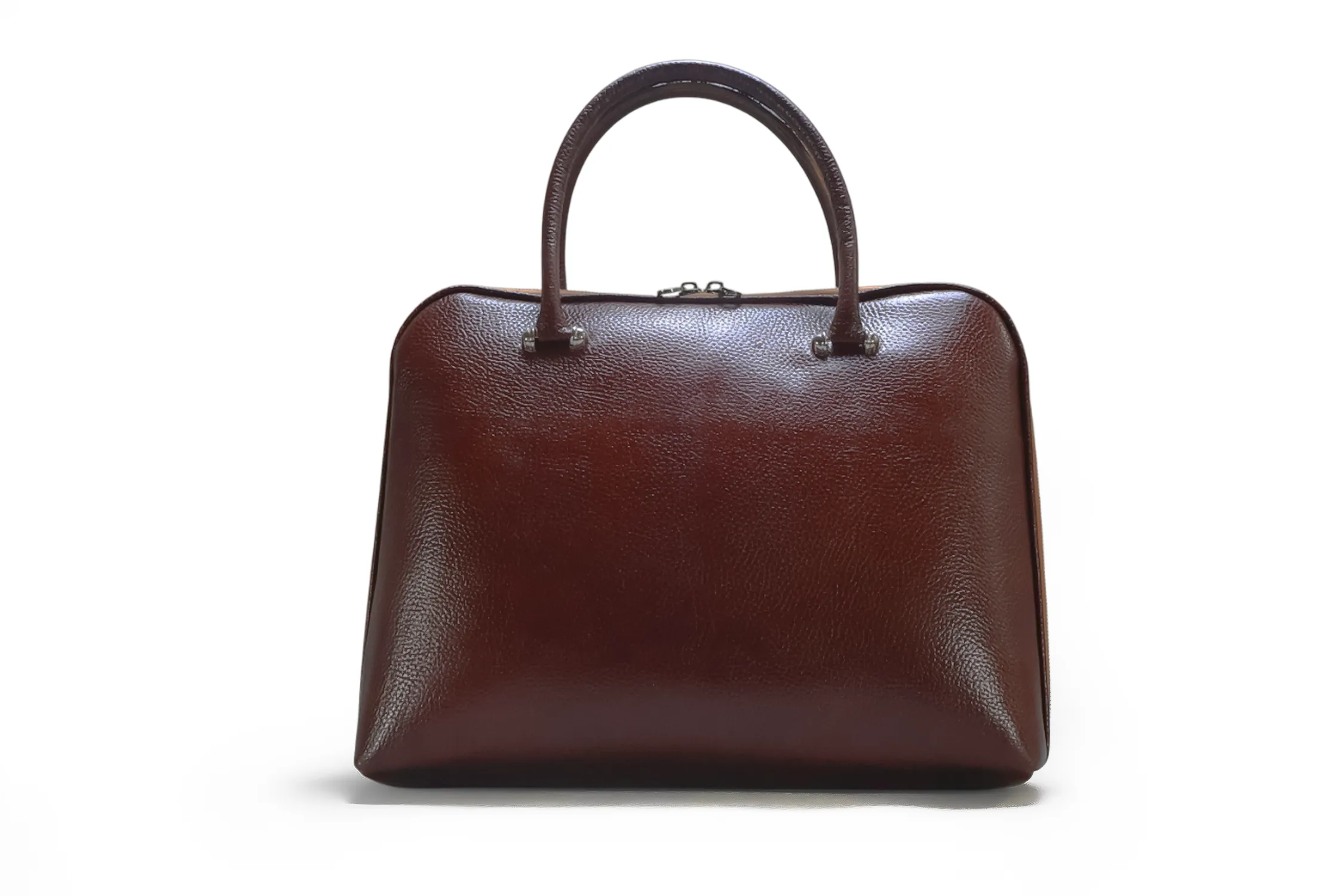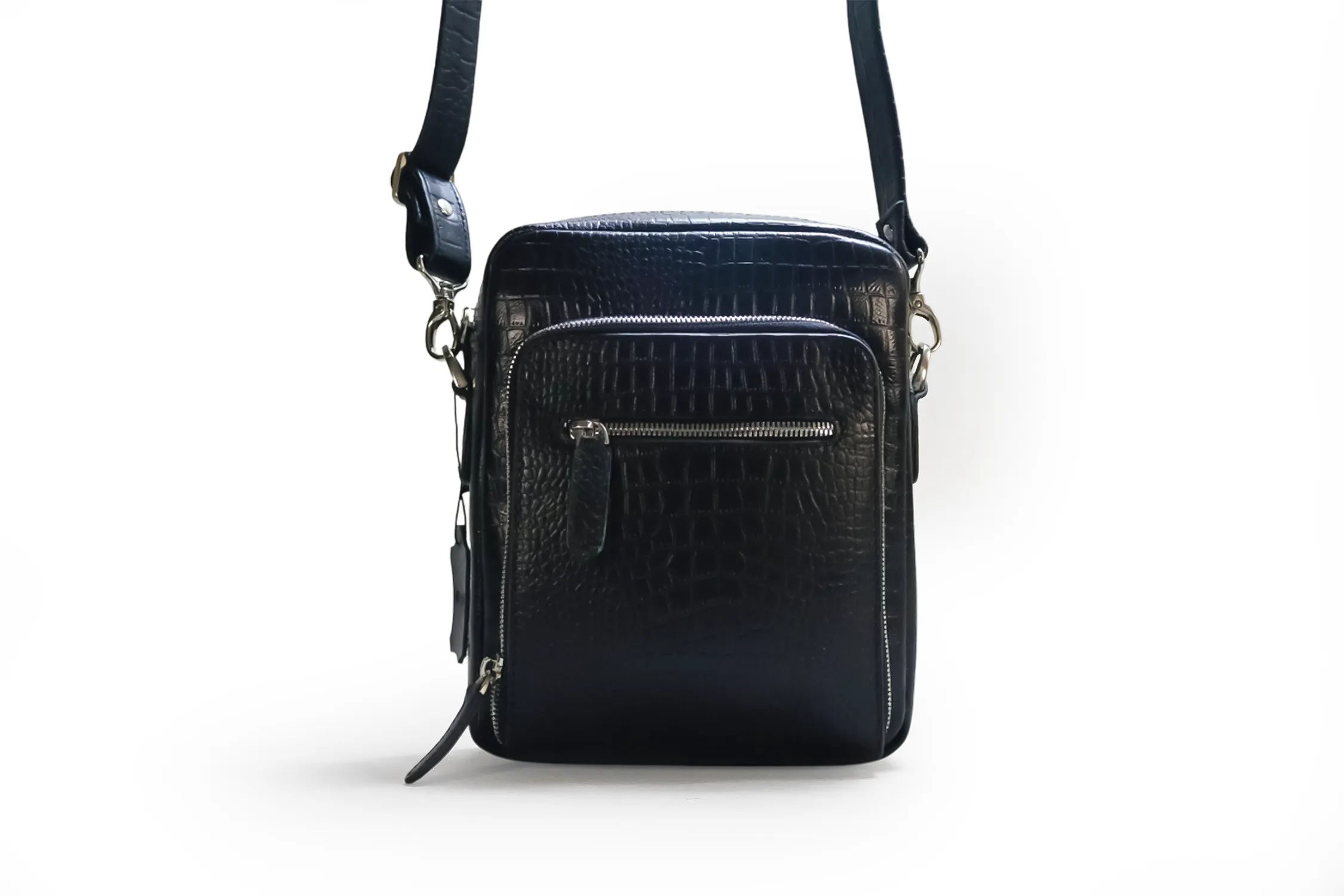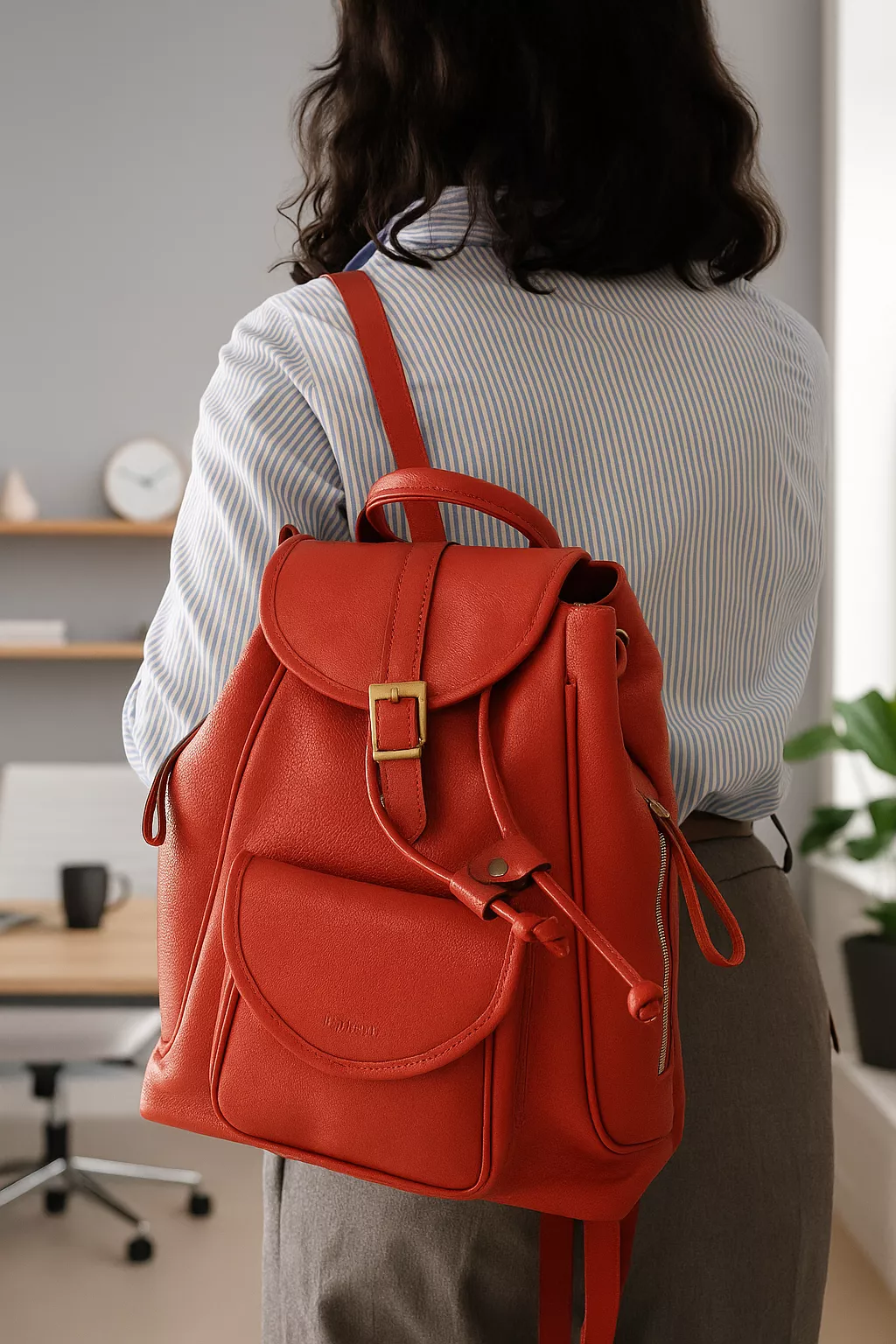
Leather bags are timeless accessories that combine elegance, durability, and functionality. Whether it is a classic briefcase, a modern shoulder bag, or a handcrafted artisan piece, a well-maintained leather bag can last for decades. However, leather is a natural material, meaning it requires consistent attention and proper care to retain its beauty. Understanding leather bag care, developing the right cleaning habits, and learning how to protect your bag from environmental damage are essential steps in ensuring your leather bag stays in excellent condition.
This comprehensive guide covers everything you need to know about how to maintain leather bags, from daily handling habits to deep cleaning and long-term preservation. Whether you own a single everyday bag or a collection of premium leather pieces, the practices outlined here will help you keep your leather items looking new for many years.
Why Leather Needs Special Care
Leather is unique because it ages, absorbs oils, reacts to humidity, and develops a patina. Unlike synthetic materials, leather breathes, softens over time, and can be affected by heat, water, and direct sunlight. Without proper attention, leather may crack, fade, or lose its structure. Effective leather bag care ensures that the natural fibers remain nourished and flexible.
Several factors influence the condition of a leather bag:
- Climate: Dry environments can cause cracking, while humidity may lead to mold.
- Usage: Frequent wear exposes the bag to oils, friction, and dirt.
- Storage: Incorrect storage can deform the bag or cause discoloration.
- Cleaning products: Inappropriate chemicals can strip leather of natural oils.
Recognizing these factors makes it easier to care for your leather bag thoughtfully and effectively.

Understanding Different Types of Leather
The method of preserving leather bags depends largely on the type of leather. Each variety reacts differently to moisture, oils, and cleaning products.
Full-grain leather
The highest-quality leather. It retains natural markings and gains character with time. It requires light cleaning and consistent conditioning.
Top-grain leather
Slightly sanded or treated to create a smooth, even surface. More resistant to wear but still benefits from regular conditioning.
Genuine leather
More affordable but less durable. It dries out faster, meaning conditioning is especially important.
Suede and nubuck
Soft, delicate, and sensitive to moisture. These materials require special brushes and cannot be cleaned with traditional leather products.
Patent leather
Shiny and coated for protection. Easy to clean but prone to scratches and color transfer.
Knowing what type of leather you have ensures that your leather bag cleaning routine does not accidentally damage the material.
Daily Leather Bag Care Habits
Proper care begins with simple daily actions. These habits prevent long-term damage and reduce the need for intensive cleaning.
1. Avoid Overloading the Bag
Excessive weight stretches the leather and distorts its shape. Carry only essentials to maintain the structure.
2. Keep Hands Clean
Oils, lotions, and dirt from hands transfer to the leather, causing dark spots or uneven discoloration over time.
3. Wipe Surface Dust Regularly
Using a soft, dry cloth once or twice a week prevents dust accumulation and maintains a natural sheen.
4. Rotate Your Bags
Using one bag every day accelerates wear. Allowing your leather bag to rest preserves its shape and surface.
5. Be Mindful of Where You Place Your Bag
Avoid placing it on the floor, wet surfaces, or near sharp objects that may scratch the leather.
These daily habits are foundational steps in how to maintain leather bags for long-term use.
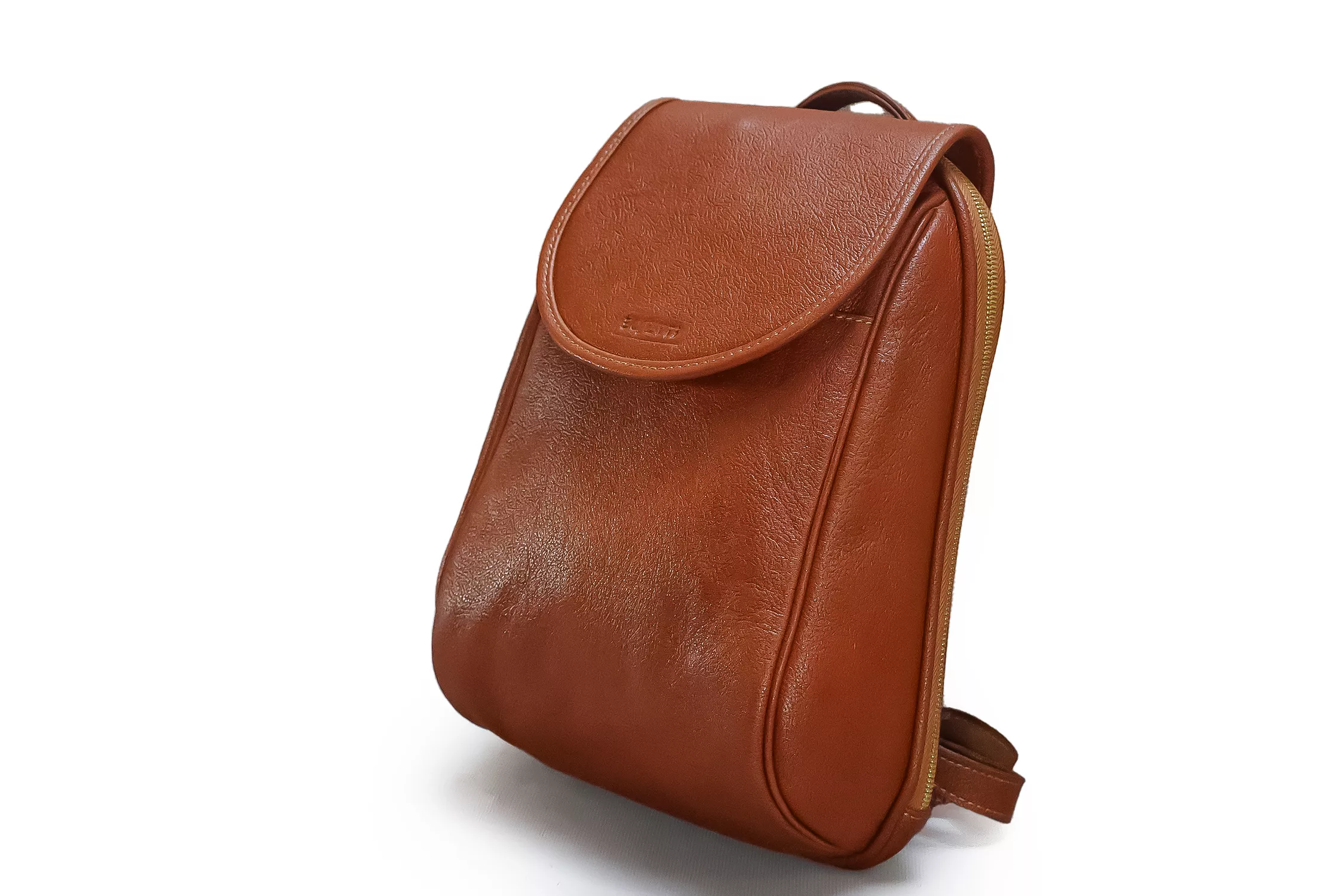
How to Clean Leather Bags Properly
Leather requires gentle, thoughtful cleaning. Improper cleaning can strip natural oils, causing the material to dry out.
Step 1: Empty and Inspect the Bag
Remove all contents and gently shake out debris. Check for stains or scratches that may need extra attention.
Step 2: Use a Slightly Damp Cloth
Lightly wipe the surface to remove dust or fingerprints. Avoid using too much water, as leather absorbs moisture.
Step 3: Apply a Leather Cleaner
Use a product specifically formulated for leather. Apply it to a soft cloth rather than directly onto the bag. Gently clean the surface using circular motions. Always patch-test first.
Step 4: Let the Bag Air-Dry
Allow the bag to dry naturally in a shaded indoor area. Heat sources such as hair dryers or radiators can cause cracking.
A consistent leather bag cleaning routine keeps the material soft, clean, and polished.
Conditioning: The Key to Preserving Leather Bags
Just as skin needs moisture, leather needs conditioning to stay supple and resist cracking.
Why Conditioning Matters
Conditioners replenish the natural oils lost over time, protecting leather from dryness and stiffening. Conditioning also enhances softness and helps preserve the original color.
How Often to Condition
- Every 2–3 months for regular use
- Every 1–2 months in dry climates
- Avoid conditioning suede or nubuck
Choosing the Right Conditioner
Select a cream or oil-based conditioner designed for leather accessories. Avoid petroleum or silicone products, which may clog pores or discolor the leather.
How to Apply Leather Conditioner
- Apply a small amount to a clean cloth.
- Massage gently using circular motions.
- Allow absorption for 10–20 minutes.
- Buff lightly with a dry cloth to enhance shine.
Conditioning is one of the most effective methods for preserving leather bags and extending their lifespan.
Protecting Leather Bags from Environmental Damage
External conditions can greatly affect the aging of leather. To protect your bag:
Avoid Water Exposure
Leather absorbs water quickly. Use a protective cover during rainy weather. If wet, blot gently—do not rub—and allow the bag to air-dry.
Limit Sun Exposure
Direct sunlight fades colors and dries out the leather. Store your bag in shaded areas when not in use.
Use a Leather Protection Spray
Choose a water-repellent spray suitable for your type of leather. It forms an invisible shield against stains and moisture.
Prevent Color Transfer
Dark clothing, especially denim, can stain light-colored leather. Be cautious when pairing outfits with delicate bags.
Be Careful with Metal Hardware
Zippers, buckles, and chains can scratch leather if handled roughly. Open and close the bag gently.
Protective habits are essential components of effective leather bag care and help maintain the bag’s original elegance.
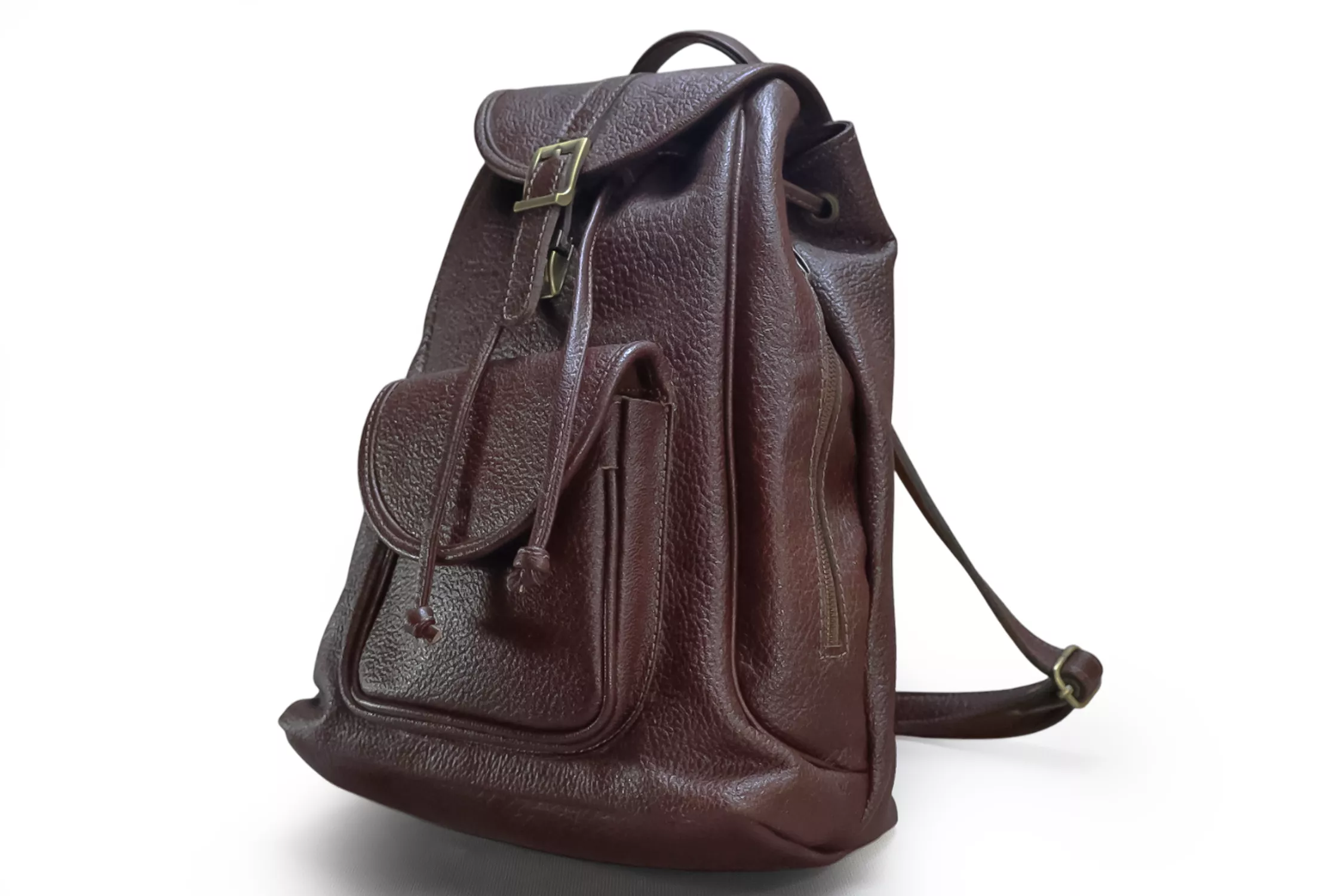
Correct Storage to Maintain Shape and Quality
Proper storage prevents deformities, discoloration, and premature aging.
Stuff the Bag to Maintain Shape
Fill the bag with bubble wrap, tissue paper, or a soft cloth. Avoid newspaper, as ink may transfer.
Store in a Dust Bag
A breathable dust bag protects the leather while allowing airflow. Avoid plastic bags, which trap moisture and can cause mold.
Keep the Bag Upright
Place it on a shelf with enough space to avoid pressure from other items.
Avoid Humid Environments
Moisture can lead to mold, mildew, and unpleasant odors. Choose a cool, dry storage area.
Following these steps ensures that preserving leather bags becomes effortless and effective.
Removing Stains from Leather Bags
Stains are often unavoidable, but proper removal prevents permanent marks.
Oil Stains
Blot gently and sprinkle cornstarch or talcum powder. Leave overnight to absorb oils, then brush off.
Ink Stains
Ink removers designed for leather are the safest option. Avoid household alcohol, which may damage the finish.
Water Stains
Let the leather dry naturally, then apply conditioner to restore balance.
Food Stains
Wipe with a damp cloth followed by a mild leather cleaner if needed.
Proper stain management is a critical part of leather bag cleaning and keeps the surface fresh and smooth.
Maintaining Structural Integrity
A leather bag that loses its form appears older and more worn than it truly is.
To maintain structure:
- Avoid hanging the bag for long periods
- Do not carry excessively heavy items
- Repair loose stitching promptly
- Store with proper stuffing
These practices contribute significantly to how to maintain leather bags in excellent condition.
When to Seek Professional Help
Sometimes professional care is the safest option. You should consider expert assistance if:
- The leather has deep scratches
- Color has faded significantly
- Mold or mildew is present
- Hardware is damaged
- Home stain-removal attempts have failed
Leather specialists have tools and treatments that can restore both the structure and appearance of your bag.
Conclusion: Long-Term Leather Bag Care
A beautiful leather bag can last a lifetime when cared for correctly. By following proper daily habits, practicing gentle leather bag cleaning, conditioning the material regularly, and storing it properly, you can maintain the natural elegance of your leather bag for years. Understanding how to maintain leather bags is essential not only for preserving their appearance but also for protecting your investment.
Consistent care keeps leather vibrant, flexible, and luxurious. With the right approach to preserving leather bags, your favorite accessory will continue to look new, refined, and timeless—no matter how often you use it.
FAQ
1. How often should I clean my leather bag?
Light cleaning weekly; deeper cleaning every 1–3 months.
2. How often should I condition the leather?
Every 2–3 months, or more frequently in dry climates.
3. Can water damage leather?
Yes. Use only a slightly damp cloth and let the bag air-dry naturally.
4. What is the best way to store a leather bag?
Stuff it, keep it upright, and store it in a breathable dust bag.
5. Can I remove ink or difficult stains at home?
It’s safer to take the bag to a professional leather specialist